Recipes
I cook venison every day. On the fire, on the plancha, in the oven, in a pan at home. It is the protein I eat more than any other, and I have made every mistake possible with it over the years so that you do not have to.
The most common thing I hear from people who have tried venison and been disappointed is "it was tough" or "it was dry." And every single time, the problem is the same: they cooked it like beef. Venison is not beef. It behaves differently, and once you understand why, cooking it perfectly is actually very straightforward.
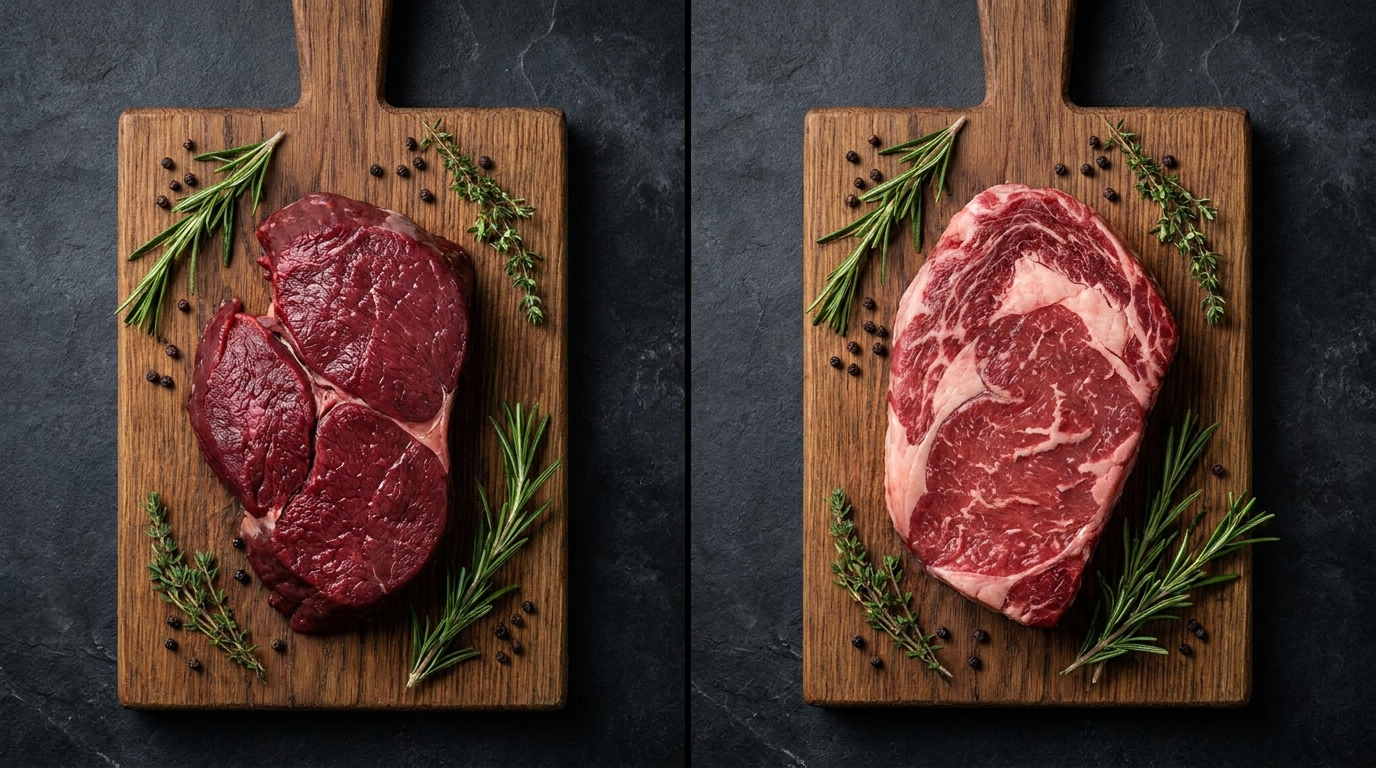
A deer has the same basic muscle structure as any quadruped, but the cuts behave differently because the animal is leaner and more active. Here is what to look for at your butcher or game dealer:
These apply to every venison cut, every cooking method, every time:
Rule 1: Bring it to room temperature. Take venison out of the fridge 30-45 minutes before cooking. Cold meat in a hot pan causes the outside to overcook before the inside even starts. This is especially important with venison because the low fat content means there is less insulation between surface and centre.
Rule 2: Do not overcook it. This is the number one mistake. Venison has very little intramuscular fat, which means once you go past medium, it dries out fast. For steaks and loin, aim for medium-rare: 54-57C internal temperature. For roasts, pull them at 52C and let carryover cooking take them to 56-58C during resting.
Rule 3: Rest it properly. Resting is even more critical with venison than beef. When you cook meat, the heat pushes moisture towards the centre. If you cut it immediately, all that juice runs out onto the board. Rest a steak for 5 minutes. Rest a roast for 15-20 minutes, loosely tented with foil. The difference is dramatic.
I have seen people cook a beautiful venison loin to perfection and then slice it immediately because they were impatient. All the juice went onto the board and the meat was dry. Five minutes of patience would have given them one of the best meals of their life. Do not skip the rest.
- Cai
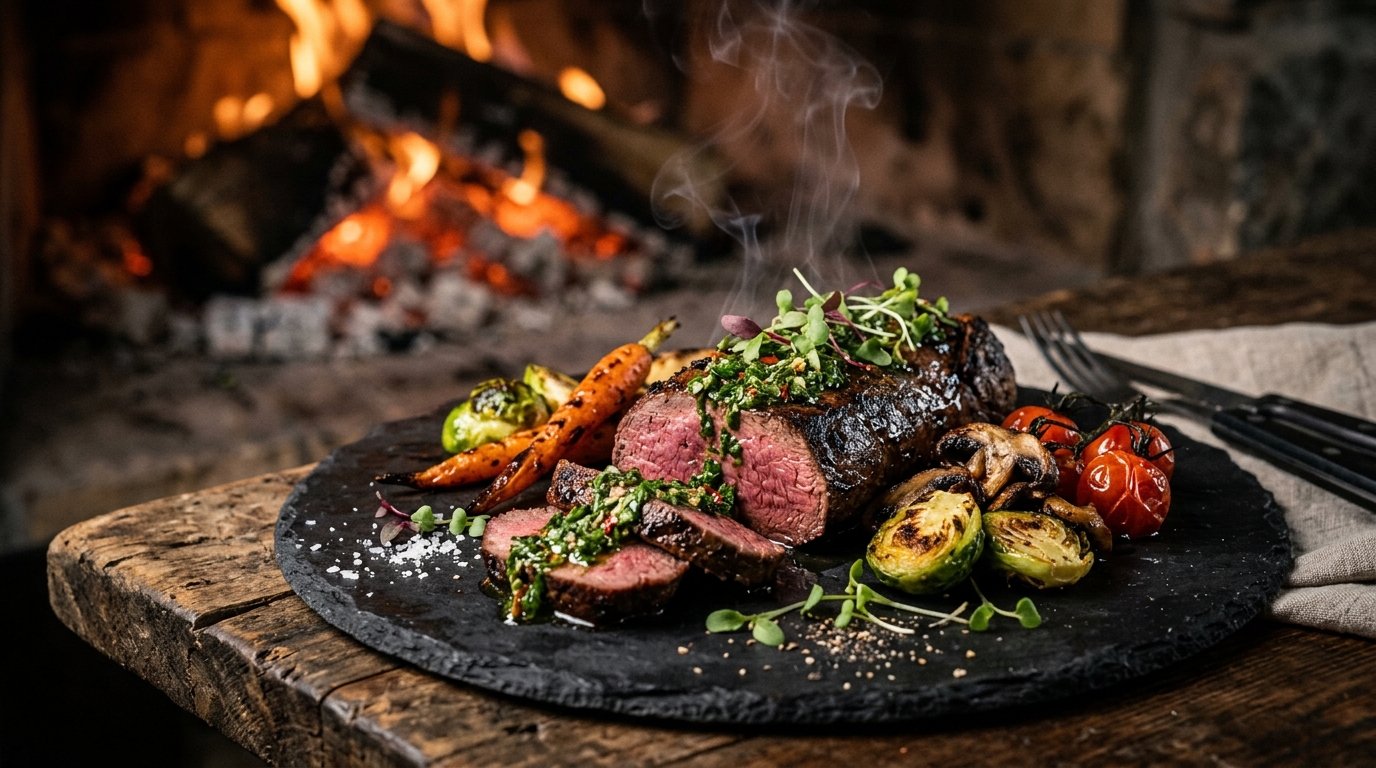
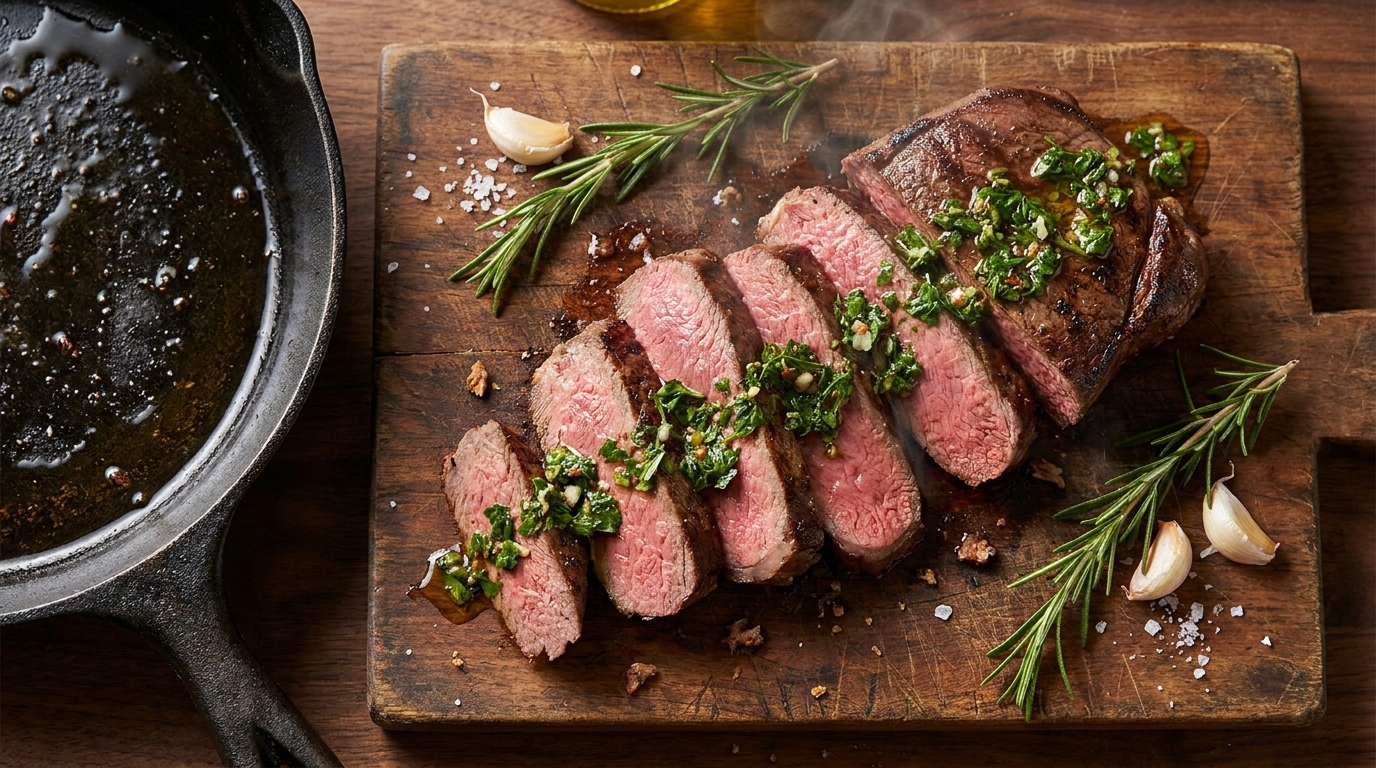
This is the simplest and most satisfying way to cook venison at home. Here is exactly how I do it:
Serve with whatever you like - I love it with a simple rocket and parmesan salad, or with roasted root vegetables and a red wine jus. The meat should be the star. Do not drown it in sauce.
If you have a shoulder, diced venison, or shin, this is where slow cooking shines. The connective tissue in these cuts needs time and moisture to break down into gelatine, which gives that melt-in-the-mouth texture.
This method is perfect for venison ragout, pie filling, or just served on creamy mashed potato. It freezes brilliantly too - make a big batch and portion it out.
Pure venison mince makes dry, crumbly burgers because it lacks fat. The fix is simple: add fat. Mix 80% venison mince with 20% pork belly mince (or beef fat if you prefer). Season with salt, pepper, and a tiny bit of Worcestershire sauce. Form into patties slightly larger than your buns because they shrink.
Cook on a screaming hot griddle or barbecue for 3-4 minutes per side. Do not press them down - you are squeezing out the juice. Serve on a brioche bun with whatever toppings you like. Our event burger uses caramelised onion, grain mustard, and rocket.
The best venison comes from your local game dealer or farm shop. They will know the provenance, the species, and the age of the animal. Failing that, there are excellent online suppliers who deliver nationwide. Look for wild venison rather than farmed - the flavour difference is significant.
Species-wise, fallow deer is the most commonly available and has a mild, approachable flavour. Roe deer is smaller and slightly more delicate. Red deer is larger with a deeper flavour. All are excellent. Start with fallow if you are new to game.
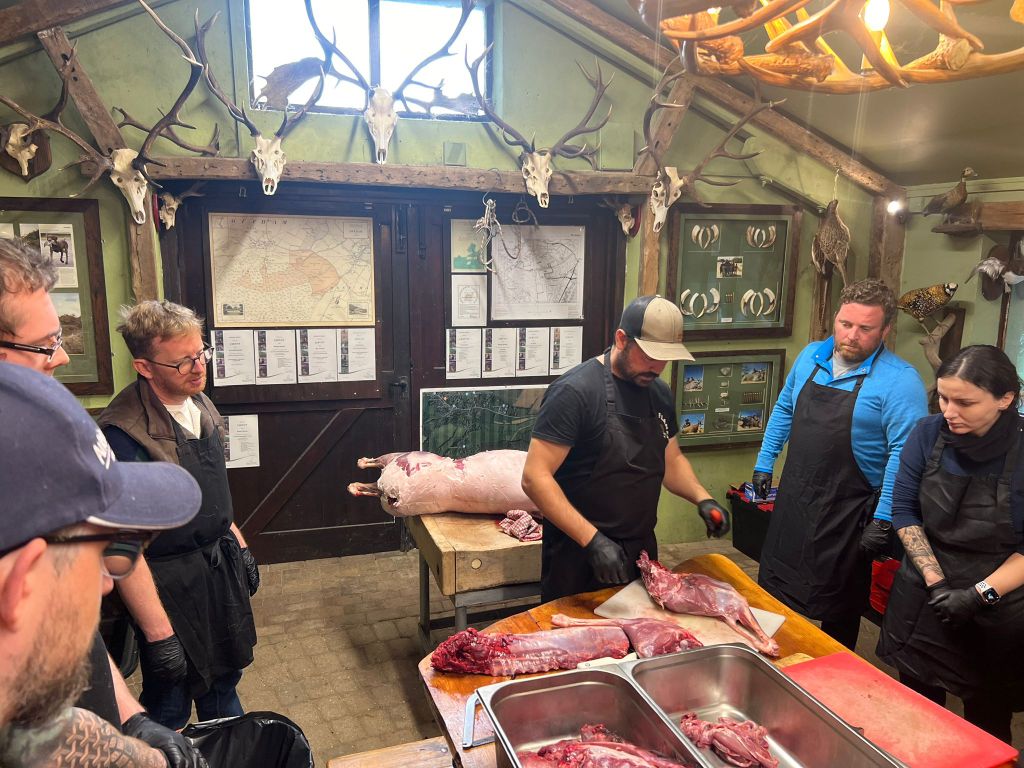
Our butchery workshops teach you to break down a whole deer and cook it over fire. You go home with 8-12kg of venison.
View Workshop DatesVenison is not difficult to cook. It is just different. Understand the leanness, respect the temperature, and give it time to rest, and you will produce food that is healthier, more sustainable, and more flavourful than anything you will find in a supermarket chiller. And if you need convincing, come to one of our events and taste what happens when you add fire to the equation.
- Cai