Sustainability
I say this a lot: wild venison is better meat. But I realise that is a big claim, and you deserve the evidence. So here it is. A proper, numbers-on-the-table comparison between wild venison and standard beef. No spin, no cherry-picking. Just the facts, and then you can make up your own mind.
Let us start with what matters most to people who care about what they eat. These figures are per 100g of raw meat, sourced from the USDA FoodData Central database and cross-referenced with Public Health England composition data:
The numbers speak for themselves. On virtually every meaningful metric - calories, fat, protein, iron, B12 - wild venison outperforms beef. And this is not comparing venison to a cheap mince. This is venison versus a decent sirloin steak.
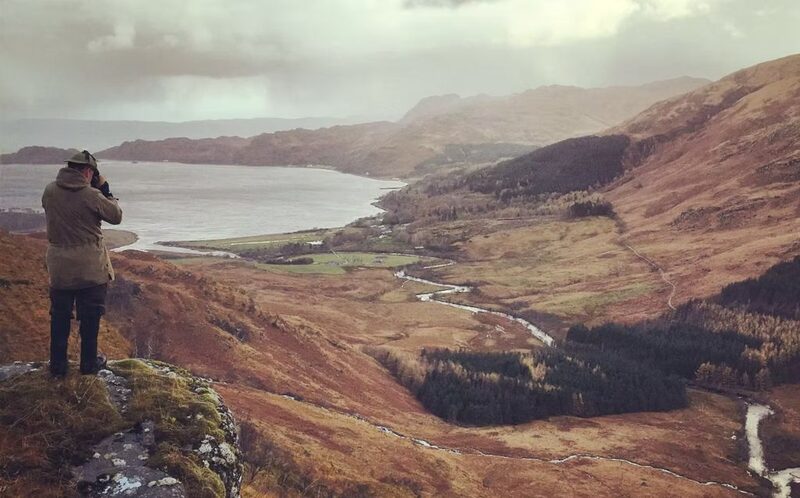
The answer is simple: wild deer move. A lot. A wild fallow deer on the South Downs covers miles every day, browsing on grass, acorns, wild herbs, and whatever the woodland provides. It is building lean muscle and burning energy constantly. There is no feedlot, no grain supplementation, no forced fattening.
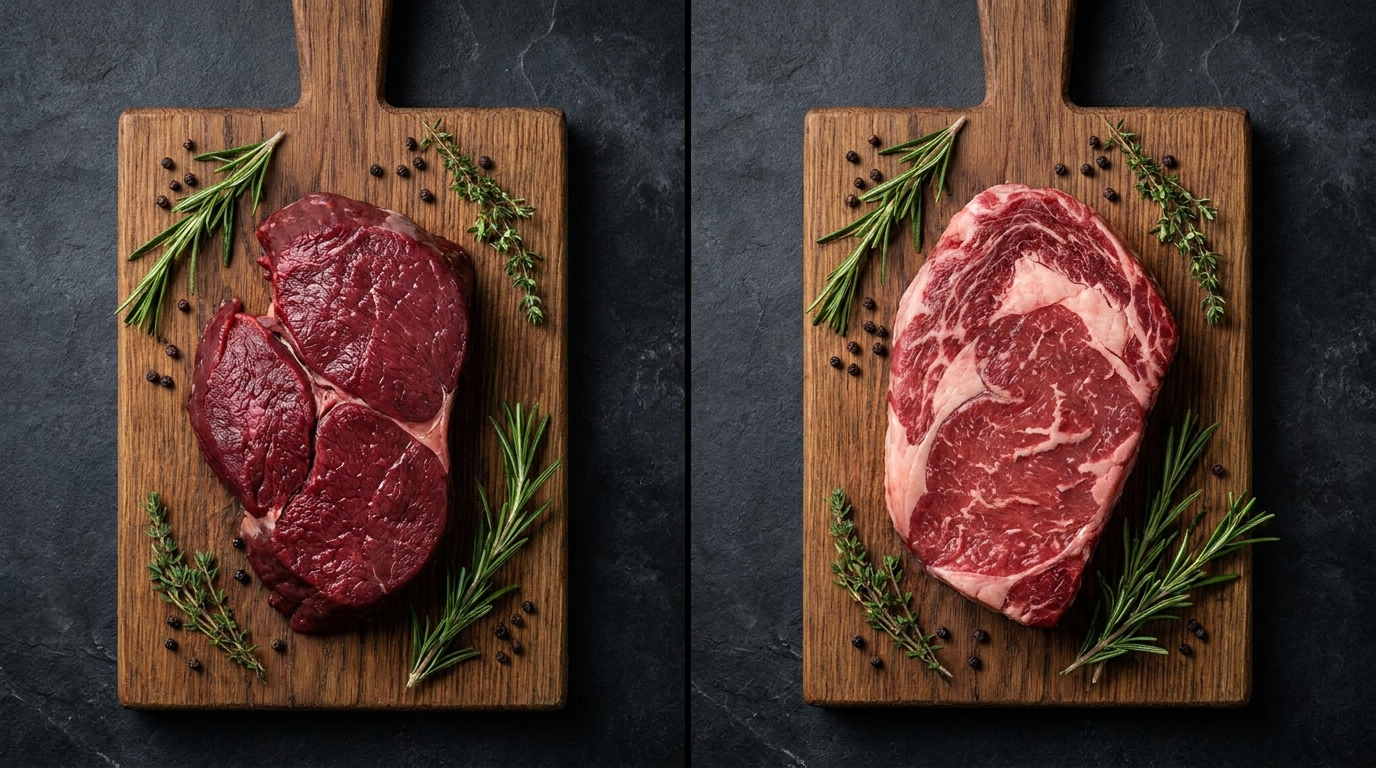
Compare that to most British beef cattle, which spend a significant portion of their lives in housed conditions, eating concentrated feed designed to promote rapid weight gain. The marbling that makes a ribeye taste rich? That is intramuscular fat deposited by an animal that is eating more calories than it needs. It tastes good. But it is not doing you any favours nutritionally.
I am not anti-beef. There are excellent British beef farmers doing brilliant work. But when someone asks me which is the healthier choice, the evidence is overwhelming. Wild venison wins on every count.
- Cai
This is where it gets really interesting. The environmental footprint of wild venison is, frankly, in a different universe from farmed beef.
And here is the factor most people do not consider: wild deer need to be managed regardless. The UK deer population is estimated at over 2 million and growing. Without management, they cause catastrophic damage to woodlands, crops, and biodiversity. The venison is a byproduct of essential conservation work. If we do not eat it, it gets wasted.
I am biased here, and I will own it. I think wild venison tastes better than beef. But let me explain why, because it is not just preference - there is science behind it.
The flavour of meat is largely determined by what the animal ate and how it lived. Wild deer eat a varied diet of natural vegetation - grasses, herbs, acorns, brambles. This diversity creates a depth and complexity of flavour that grain-fed beef simply cannot match. The French call it terroir in wine. The same principle applies to wild game.
Venison is often described as "gamey." What that actually means is that it has more flavour than people are used to from bland, factory-farmed meat. Once you adjust to the richness, going back to supermarket beef feels like going from colour television to black and white.
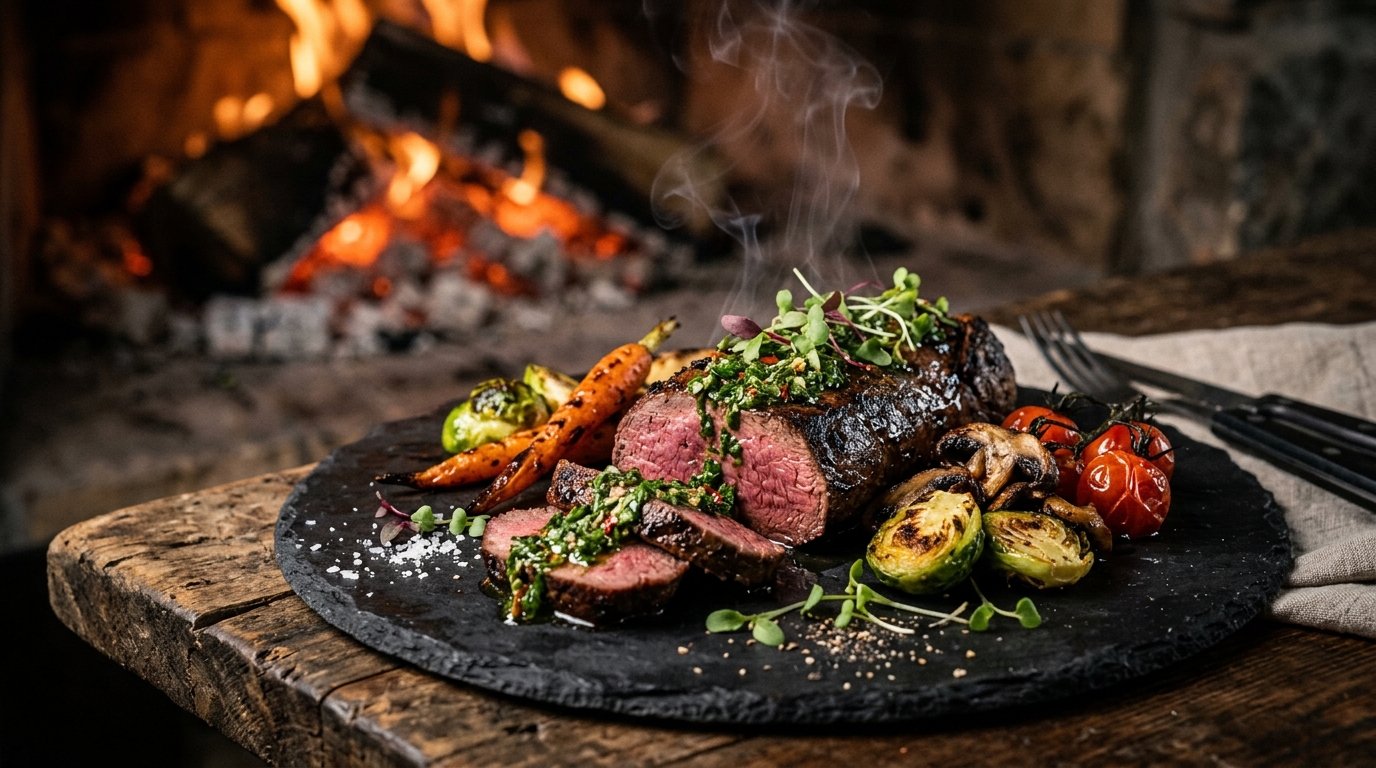
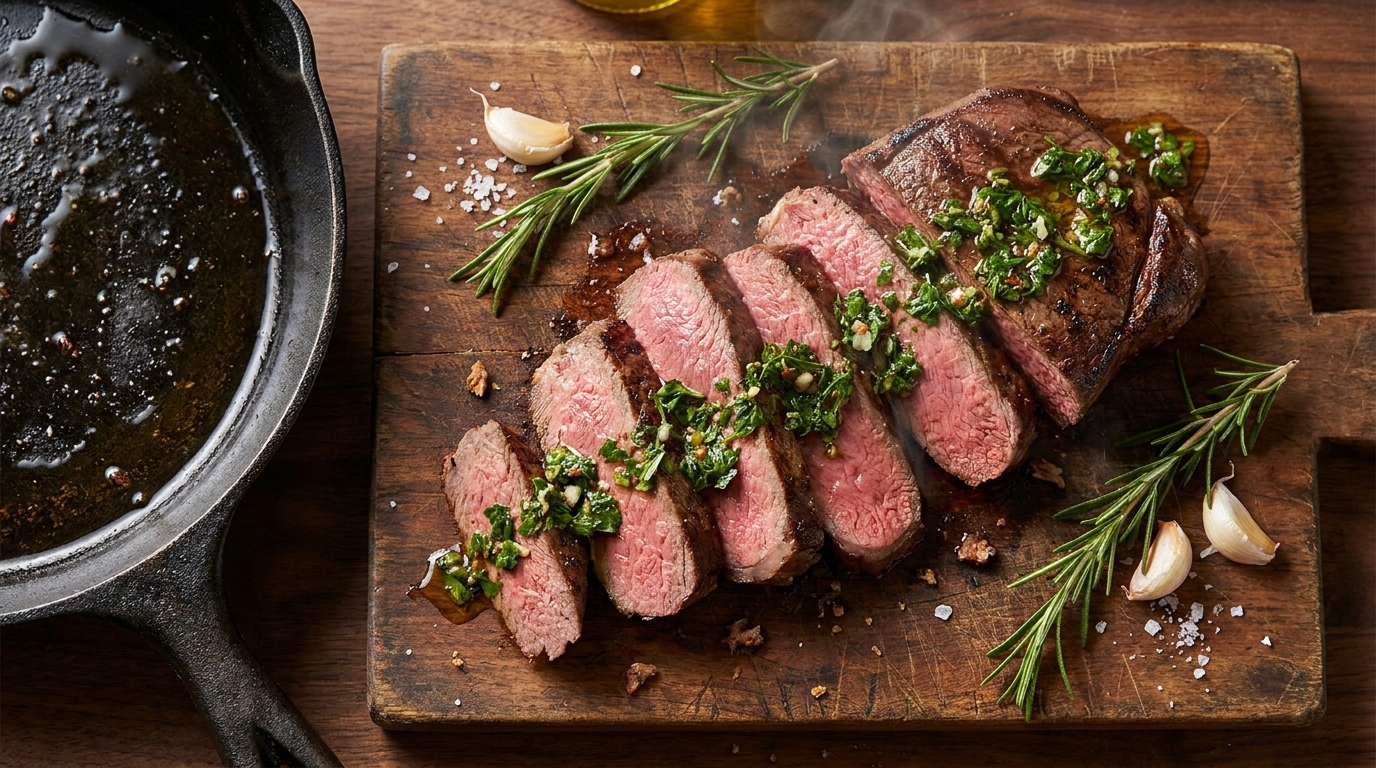
The one area where beef has an advantage is forgiveness. A beef steak has enough fat to stay juicy even if you overcook it slightly. Venison is leaner, so it needs a bit more care:
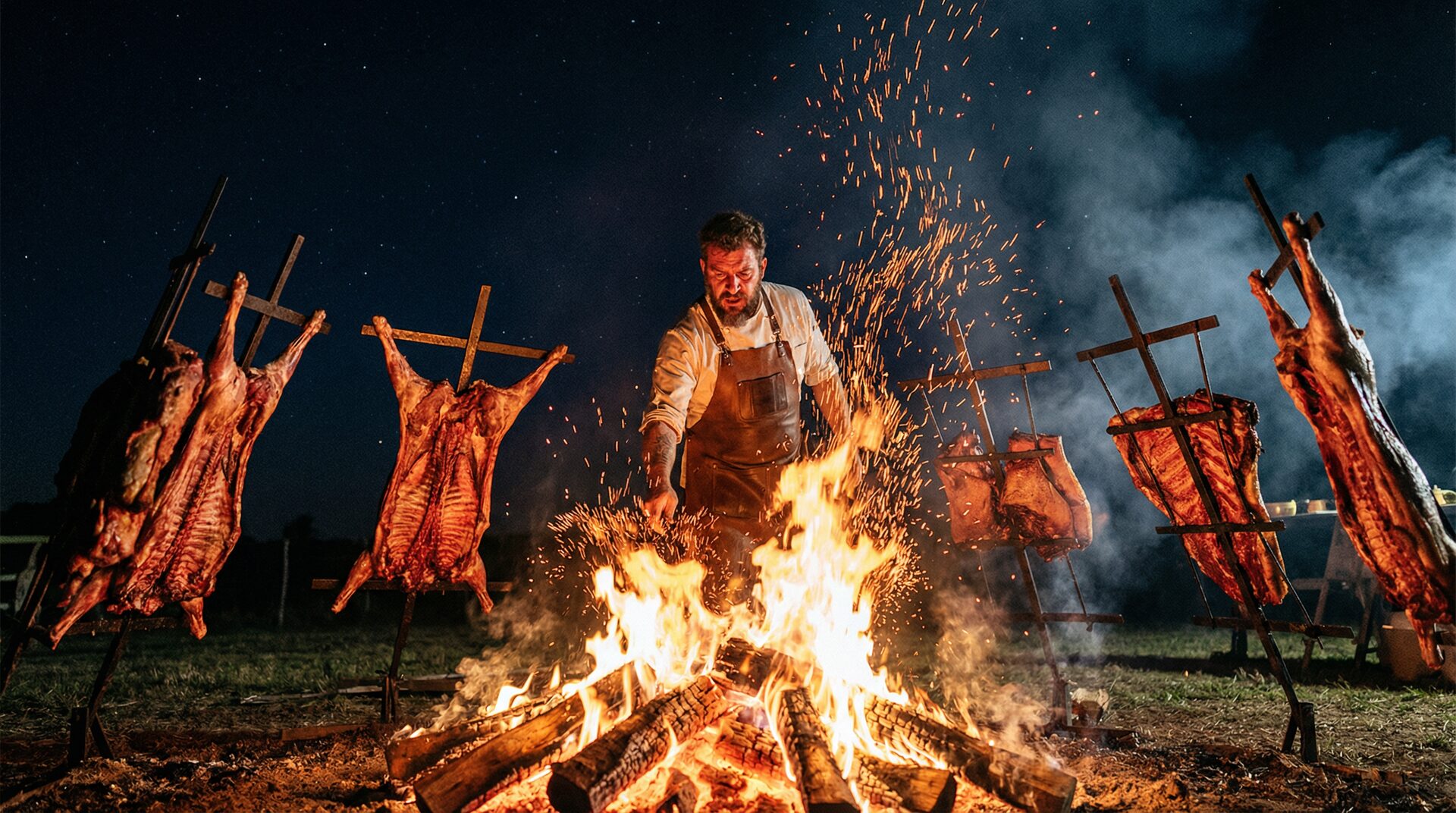
Come to one of our workshops and cook wild venison over fire yourself. Or book us for your event and let us do it for you.
Browse WorkshopsI have been cooking and eating wild venison almost daily for over a decade. My blood work is excellent. My energy levels are consistent. And the food I cook for a living happens to be one of the healthiest, most sustainable proteins available in this country. That is not marketing. That is just the truth.
Try it. Compare it. And then tell me beef is still the default.
- Cai