Deer Stalking
I get asked about deer stalking qualifications more than almost anything else. People see what I do - sourcing wild venison, cooking it over fire, running a catering business built on wild game - and they want in. "How do I get started?" "Do I need a licence?" "What is the difference between PDS and DSC?"
Fair questions, all of them. And the answers are not as straightforward as they should be, because the UK deer stalking qualification landscape is genuinely confusing. So let me cut through the noise and give you the honest breakdown.
First things first. You do not legally need a qualification to stalk deer in the UK. You need a firearms certificate, permission from the landowner, and the correct calibre rifle. That is the legal minimum. But here is the reality: no responsible estate or landowner will let you stalk without a recognised qualification. Insurance companies require it. The Forestry Commission requires it for contracts. Natural England and NatureScot require it for licences.
A qualification proves you understand deer biology, welfare legislation, safe shooting practice, and meat hygiene. It protects the deer, it protects you, and it protects the reputation of deer management as a profession.
The Deer Stalking Certificate Level 1 has been the standard entry-level qualification for decades. It is administered by the Deer Management Qualifications (DMQ) body and typically involves:
The DSC 1 is well-established and widely recognised. It has been the default recommendation for years. But there is a newer option that I think deserves serious consideration.
The Proficient Deer Stalker Level 1 is a LANTRA-accredited qualification that has been gaining significant traction since its launch. It is administered through the Shooting and Hunting Academy and offers some genuine advantages:
I am a qualified PDS assessor, and I run practical assessments from our base in East Sussex. The assessment involves a range shooting component and a simulated field stalk. It is rigorous but fair - designed to confirm you are safe, competent, and understand what you are doing.
The best thing about PDS is the Trained Hunter inclusion. With DSC 1 you still need to get your meat hygiene qualification separately. PDS wraps it all into one. For anyone planning to stalk and process their own venison, that is a meaningful advantage.
- Cai
Honestly? Both are excellent qualifications and both will open the same doors. But here is my recommendation based on who I see coming through:
Either way, the important thing is that you get qualified. Unqualified stalking gives the industry a bad name and puts deer welfare at risk.
Since I am a PDS assessor, let me walk you through what to expect when you book an assessment with us:
The pass rate is high for candidates who have done the preparation. I am not trying to catch you out. I am trying to confirm you are safe and competent. That is all.
Once you have your PDS 1 or DSC 1, the journey does not stop. Level 2 qualifications involve one-to-one field assessments with a real stalk - locating, approaching, and taking a deer under supervised conditions. We offer PDS Level 2 enquiries through our site as well.
And of course, the ultimate goal for many is to stalk independently - sourcing their own wild venison, processing it, and either eating it or selling it. That is exactly what I do, and it is one of the most rewarding things in my life.
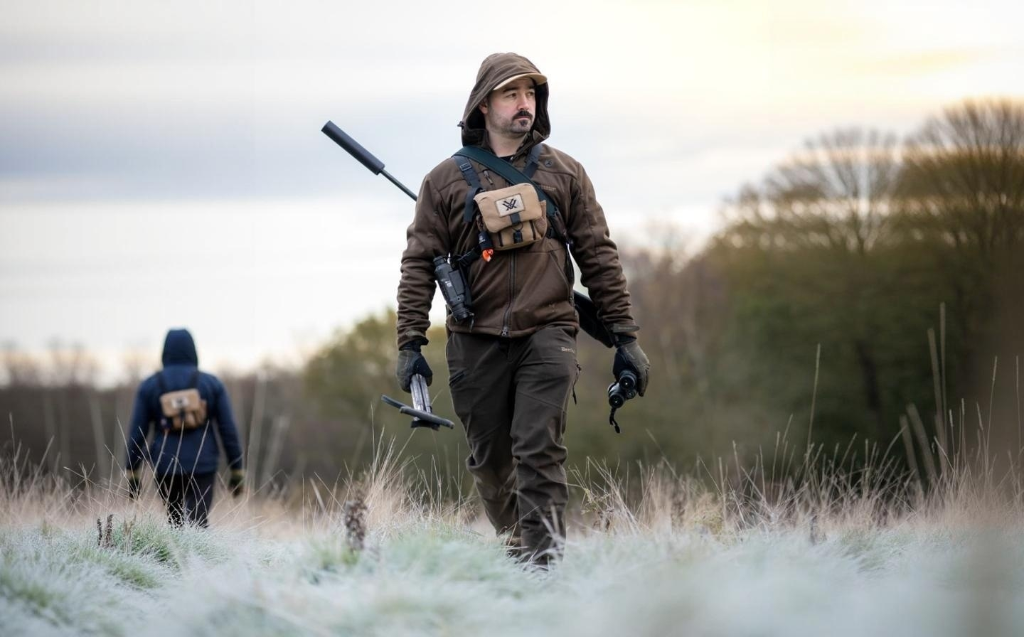
Book a PDS Level 1 assessment with Cai, or enquire about Level 2 field assessments.
View Assessment DatesDeer stalking changed my life. It connected me to the countryside, to my food, and to a community of people who care deeply about conservation and animal welfare. If you are even slightly curious, take the first step. Get qualified. The rest follows naturally.
- Cai